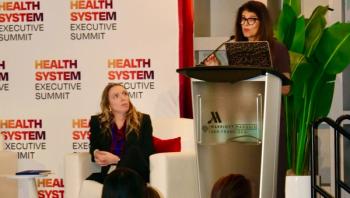
During the Health System Executive Summit, Candy Tsourounis, PharmD, and Elise Wozniak, PharmD got candid about the barriers and financial risk surrounding this innovative therapy.
There have been 8 high-profile FDA approvals in the last few weeks. Here is an overview.
With FDA’s approval of
To guide its utilization management approach of these new drugs,
Related:
Prime analyzed more than 3 million members who were commercially insured and enrolled in benefits through a Prime client continuously for 4 years through 2014. Of those, 1.8% had established cardiovascular disease. And of these members:
“How formularies are structured, and the utilization management strategies implemented for formulary drugs, will need to be carefully reviewed so the appropriate high-risk patients are prescribed PCSK9s,” said David Lassen, chief clinical officer at Prime. “Because PCSK9s have not been proven to prevent heart attacks, and their long-term safety has not yet been established, we recommend payers optimize statin therapy prior to the initiation of PCSK9s.”
Lassen offered these 5 take-aways from the study:
Praluent is approved for use in addition to diet and maximally tolerated statin therapy in adult patients with heterozygous familial hypercholesterolemia (HeFH) or patients with clinical atherosclerotic cardiovascular disease such as heart attacks or strokes, who require additional lowering of LDL cholesterol.
Related:
Prime Therapeutics advises many members may achieve health goals and save money by optimizing cholesterol-lowering statins before trying PCSK9s. Prime previously forecasted that PCSK9 drugs could be priced between $7,000 and $12,000 per year and could cost the US health system $23.3 billion per year if broadly used by as many as 2.3 million Americans. If used by only 40% of the more than 600,000 Americans with a rare genetic condition leading to abnormally high cholesterol levels for which statins aren’t always effective, they could still add an additional $2.1 billion per year in new costs. The actual cost of Praluent is $14,600 per year, so costs will be approximately 50% higher than initial forecasts.
Around 2.7 million Americans are infected with HCV, of which approximately 10% are genotype 3, according to the
“Today’s approval provides a new option for patients with genotype 3 HCV, including those patients who cannot tolerate ribavirin,” said Edward Cox, MD, director of the
Related:
Sustained virologic response (SVR) rates are reduced in HCV genotype 3-infected patients with cirrhosis receiving the combination of Daklinza and sofosbuvir. The recommended dosage of Daklinza is 60 mg in combination with sofosbuvir for 12 weeks.
“The U.S. approval of Daklinza means that chronic HCV genotype 3 patients may now complete treatment in just 12 weeks with an all-oral, once-daily regimen,” said Chris Boerner, head of U.S. Commercial for Bristol-Myers Squibb. “We believe this Daklinza-based regimen may be a solution to improving the standard of care for these patients. This approval is the result of many years of partnership with the HCV community to address the complexities of genotype 3, and an important achievement in our ongoing Daklinza development program, which focuses on patients that are most challenging to treat.”
The safety and efficacy of Daklinza in combination with sofosbuvir were evaluated in a clinical trial of 152 treatment-naive and treatment-experienced participants with chronic HCV genotype 3 infection. Participants received Daklinza 60 mg plus sofosbuvir 400 mg once daily for 12 weeks and were monitored for 24 weeks post-treatment.
Ninety-eight percent of the treatment-naive participants had no cirrhosis of the liver and 58% of the treatment-naive participants with cirrhosis achieved sustained virologic response. Of the participants who were treatment-experienced, 92% demonstrated no cirrhosis of the liver and 69% with cirrhosis achieved sustained virologic response.
Related:
Daklinza carries a warning for patients and health care providers that serious slowing of the heart rate (symptomatic bradycardia) and cases requiring pacemaker intervention have been reported when amiodarone is co-administered with sofosbuvir in combination with another HCV direct-acting antiviral, including Daklinza. Co-administration of amiodarone with Daklinza in combination with sofosbuvir is not recommended.
The most common side effects of Daklinza with sofosbuvir were fatigue and headache.
FDA has approved ombitsavir, paritaprevir and ritonavir (Technivie,
Hepatitis C is inflammation of the liver due to infection caused by the hepatitis C virus (HCV). The
Related:
Technivie is the first and only all-oral, interferon-free, direct-acting antiviral treatment approved in the United States for the treatment of adults with GT4 chronic HCV infection without cirrhosis. Technivie is an all-oral antiviral treatment containing the fixed-dose combination of paritaprevir/ritonavir (1050 mg/100 mg) with ombitasvir (25 mg) dosed once daily with a meal. It is coadministered with ribavirin (RBV). Each of the antivirals has a distinct mechanism of action, which allows the drugs to work together to inhibit specific HCV proteins in the viral replication process.
"Physicians have previously had limited options when it comes to treating people living with GT4 chronic hepatitis C," said Tarek Hassanein, MD, professor of medicine,
FDA granted the manufacturer priority review as well as breakthrough therapy designation for Technivie.
Related:
The approval of Technivie is based on data from the PEARL-I study, which included 135 participants with chronic HCV GT4 infections without cirrhosis. Ninety-one people received Technivie plus RBV once daily and 44 participants received Technivie once daily without RBV, each for 12 weeks. The study demonstrated 100% sustained virologic response rates, defined as when the virus is no longer detectable in the patient’s blood 12 weeks after treatment, in the patients treated with Technivie plus RBV.
Technivie is not recommended for use in patients with moderate hepatic impairment (Child Pugh B). Common side effects associated with the use of Technivie include weakness, fatigue, tiredness, nausea, and sleep problems.
FDA
Related:
“The approval of Entresto marks a new era in the treatment of heart failure, made possible by the collective efforts of our Novartis associates, the hundreds of cardiologists and nurses and thousands of patients who participated in the research,” said Christi Shaw, U.S. country head and president of Novartis Corporation and
FDA approval is based on
Related:
Entresto also improved overall survival by 16% versus enalapril, driven by the lower incidence of cardiovascular death. The study was stopped early, after the Data Monitoring Committee overseeing the study found that Entresto significantly reduced the risk of cardiovascular death and that the primary end point had been met.
“The very meaningful survival advantage of Entresto seen in the PARADIGM-HF trial should persuade physicians to consider Entresto for all appropriate patients, in place of traditional ACE inhibitors or angiotensin receptor blockers,” said Dr. Milton Packer, professor and chair of the
The drug is usually administered in conjunction with other heart failure therapies, in place of an ACE inhibitor or other angiotensin receptor blocker (ARB). Reduced ejection fraction means the heart doesn't contract with enough force, so less blood is pumped out.
Entresto film-coated tablets are available in 3 dosage strengths: 24/26 mg, 49/51 mg, and 97/103 mg (sacubitril/valsartan). These doses are referred to as 50 mg, 100 mg, and 200 mg in the clinical trial literature including the New England Journal of Medicine publication of the results of PARADIGM-HF. The target dose of Entresto is 97/103 mg twice daily.
FDA approved
Related:
Dysport, which decreases the severity of increased muscle tone in elbow flexors, wrist flexors and finger flexors, is the first therapy in the past 5 years that was approved by FDA for the treatment of adults with ULS. In clinical trials, some patients realized improvement within 1 week after administration. A majority of patients in clinical studies were retreated between 12 and 16 weeks; however, some patients had a duration of response as long as 20 weeks.
“It is estimated that 1.8 million adult Americans may suffer from spasticity, which, in the upper arm, can cause muscle stiffness, flexing, spasms, twitching and pain,” said Cynthia Schwalm, CEO of Ipsen Biopharmaceuticals. “We are pleased to offer another treatment option for those individuals with upper limb spasticity, a debilitating condition that often comes on the heels of a traumatic health event, such as a stroke or brain injury.”
The Dysport phase 3 trial was the first registration study to evaluate ULS treatment in adult patients with both stroke and traumatic brain injury. The drug was previously approved in the United States for the treatment of adults with cervical dystonia (CD) in April, 2009.
FDA’s approval was based on a rigorous development program that included clinical trials conducted in more than 600 patients. In the phase 3 pivotal study, 238 adult patients with upper limb spasticity participated in the study for up to one year. The international, multicenter, double-blind, randomized, placebo-controlled study compared the efficacy of Dysport versus placebo in hemiparetic patients following stroke or brain trauma.
The study showed that those treated with Dysport demonstrated statistically significant improvement in muscle tone measured by the MAS and a significantly higher physician-rated clinical benefit measured by the PGA versus placebo at Week 4.
The trial was followed by an open-label study wherein patients received Dysport for up to 5 treatment cycles to assess the long-term safety.
The most frequently reported adverse reactions to Dysport are urinary tract infection, nasopharyngitis, muscular weakness, musculoskeletal pain, dizziness, falls and depression.
FDA’s approval last week of
Related:
According to the
“Iressa offers another effective first-line therapy option for selected lung cancer patients. This approval provides further support for a highly targeted approach to treating cancer,” said Richard Pazdur, MD, director of the Office of Hematology and Oncology Products in the FDA’s Center for Drug Evaluation and Research.
Related:
FDA granted Iressa
The therascreen EGFR RGQ PCR Kit, manufactured by
“The approval of the therascreen EGFR RGQ PCR Kit will allow physicians to identify non-small cell lung cancer patients who are candidates for receiving Iressa as first-line therapy,” said Alberto Gutierrez, PhD, director of the Office of In Vitro Diagnostics and Radiological Health in FDA’s Center for Devices and Radiological Health. “Companion diagnostics provide information that is essential for the safe and effective use of important medications.”
The efficacy and safety of Iressa for this use was demonstrated in a multicenter, single-arm clinical trial of 106 patients with previously untreated, EGFR mutation-positive metastatic NSCLC. Participants received Iressa 250 mg once daily. Results showed that tumors shrank in about 50% of patients after treatment and this effect lasted an average of 6 months.
Iressa may cause serious side effects including interstitial lung disease, liver damage, gastrointestinal perforation, severe diarrhea and ocular disorders. The most common side effects of Iressa are diarrhea and skin reactions (including rash, acne, dry skin and pruritus, or itching
FDA has approved sonidegib (Odomzo,
Related:
Basal cell carcinoma (BCC) is a type of skin cancer characterized by abnormal, uncontrolled growths or lesions that arise in the skin’s basal cells. BCC accounts for approximately 80% of non-melanoma skin cancers. When BCC spreads from where it originally started, it is called locally advanced and can be highly disfiguring. Although BCC rarely becomes advanced, there are only a few treatment options available for this stage of the disease.
Odomzo is a once daily, oral, selective smoothened (SMO) inhibitor that works by inhibiting a molecular pathway, called the Hedgehog pathway, which is active in basal cell cancers. The drug acts to suppress the pathway in order to stop or reduce the growth of cancerous lesions. Odomzo 200-mg capsules are FDA approved for the treatment of adult patients with locally advanced basal cell carcinoma (laBCC) that has recurred following surgery or radiation therapy, or those who are not candidates for surgery or radiation therapy.
"The FDA approval of Odomzo offers a new and non-invasive treatment option for a potentially devastating disease that is hard to treat and can be disfiguring," said Bruno Strigini, President,
Related:
The efficacy of Odomzo was established in a multicenter, double-blind clinical trial, in which participants with locally advanced BCC were randomly assigned to receive with 200 mg daily or 800 mg daily of Odomzo. Results demonstrated that 58% of patients treated with Odomzo 200 mg had their tumors shrink or disappear, which approximately half of the responder’s tumor shrinkage lasting 6 months of longer. The 800-mg dose showed similar response rates but side effects were more common at this dose.
Muscle spasms, hair loss, distorted sense of taste, fatigue, musculoskeletal pain, diarrhea, decreased weight, and decreased appetite, were the most common side effects associated with the use of the 200-mg dose of Odomzo. Odomzo also carries a Boxed Warning alerting healthcare professionals that Odomzo may cause death or severe birth defects in a developing fetus when administered to a pregnant woman.
FDA approved brexpiprazole (Rexulti) for schizophrenia and as an add-on treatment to an antidepressant medication to treat adults with major depressive disorder (MDD).
“Schizophrenia and major depressive disorder can be disabling and can greatly disrupt day-to-day activities,” said Mitchell Mathis, MD, director of the
Rexulti’s manufacturer, Tokyo-based
In addition, the effectiveness of Rexulti as an add-on treatment for MDD was evaluated in two 6-week trials that compared Rexulti plus an antidepressant to placebo plus an antidepressant in 1,046 participants for whom an antidepressant alone did not adequately treat their symptoms. The participants taking Rexulti reported fewer symptoms of depression than those taking the placebo.
Related:
The most common side effects reported by participants taking Rexulti in clinical trials included weight gain and an inner sense of restlessness, such as feeling the need to move.
The Boxed Warning on Rexulti and other drugs in this class alert health care professionals and patients to an increased risk of suicidal thinking and behavior in children, adolescents, and young adults taking antidepressants. Patients should be monitored for worsening and emergence of suicidal thoughts and behaviors.
Related:
The Boxed Warning also alerts healthcare professionals about an increased risk of death associated with the off-label use of drugs in this class to treat behavioral problems in older people with dementia-related psychosis. No drug in this class is approved to treat patients with dementia-related psychosis.