



The opioid epidemic has led doctors and patients to look for other ways to control pain, and they’re turning to technology for answers.
The opioid epidemic has led doctors and patients to look for other ways to control pain, and they’re turning to technology for answers.
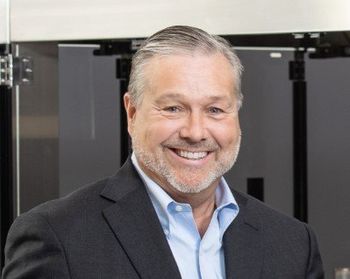
He was reluctant to take the CEO job, but VanTrieste has the unique nonprofit drug manufacturer surpassing its goals and possibly branching out into the retail market.

Patients and their oncologists are weighing the pros and cons of delaying treatment. Once the outbreak subsides, how might the practice of oncology change?

Medical and dental care in the United States are like estranged colleagues: nominally on the same team but rarely, if ever, in touch with each other. Some value-based payment arrangements may start to mend the rift, which could both improve overall health and reduce healthcare costs.

Residents and staff have been hit hard by the disease. PPE is in short supply. The deaths are taking an emotional toll on largely unheralded workers.

If American healthcare does wind up getting divided into pre- and post-COVID-19 eras, the migration from in-person visits to telehealth ones will likely be one of the biggest developments on the right-hand side of the inflection.

You have a highly trained, hardworking and fundamentally altruistic workforce. Don’t squander it.
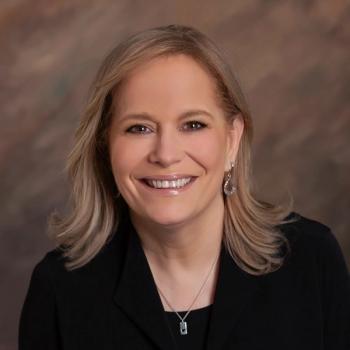
Lili Brillstein, CEO of BCollaborative and member of the Managed Healthcare Executive® editorial advisory board discusses how the global shut-down and stay-at-home orders due to the COVID-19 pandemic have benefitted us in many ways.

There are a variety of medications being studied for the COVID-19, and the possible treatment landscape is rapidly evolving.

Testing remains ongoing in the search for treatment drugs and a vaccine for COVID-19.