

Sponsored Content
Advertisement

Advertisement


Sponsored Content
Sponsored by Dexcom, Inc.
Sponsored Content
Sponsored by DaVita.

Sponsored Content
Advertisement

Our network connects providers, health plans, and life science companies to deliver seamless care that benefits everyone


Intensive Care Units in long-term acute care hospitals (LTACHs) treat many of the same conditions that traditional ICUs treat but are designed to do so for a longer period of time. Not only is it possible for LTACHs to treat patients with these conditions but these specialized hospitals are also able to achieve lower readmission rates for more complex patients. In this article you will discover: · The top conditions treated at both traditional ICUs and LTACHs · Readmission rates of complex patients discharging from both settings · Characteristics of Kindred Hospitals’ LTACHs that allow them to provide exceptional critical care
Advertisement

Sponsored by Acorda Therapeutics
The vision for Outcomes is creating thriving communities with pharmacy at the center of care. With their extensive knowledge of medications and close interactions with patients, pharmacists are uniquely positioned to provide valuable medical services beyond simply dispensing prescriptions. Pharmacists are one of the most trusted and accessible professionals in healthcare. Outcomes brings together capabilities to elevate and enable them to practice at the top of their license. This partnership enables meaningful connections across payers to drive performance metrics and reduce total cost of care.
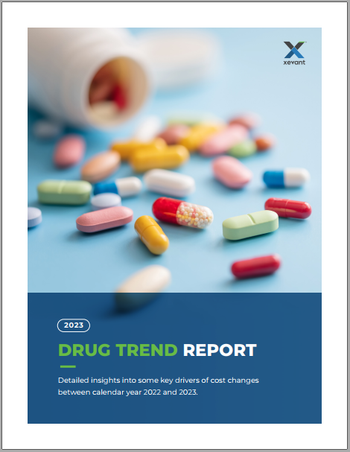
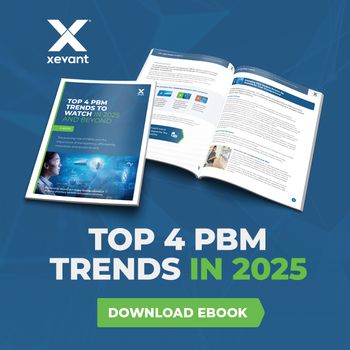
To effectively navigate the changing pharmacy landscape and maintain a robust, cost-effective pharmacy benefit, you must understand the forces behind rising drug trend. What’s driving your costs and what can you do about it? As a leader in the PBM analytics space, we offer a unique perspective on pivotal trend drivers. Here’s what our comprehensive analysis revealed: -A surge in utilization rates across specialty and non-specialty drugs, magnified by anti-obesity therapies -Financial strain imposed by anti-inflammatory biologics and the yet-to-be-fulfilled -promise of biosimilar savings -Persistent price inflation driving higher costs year over year
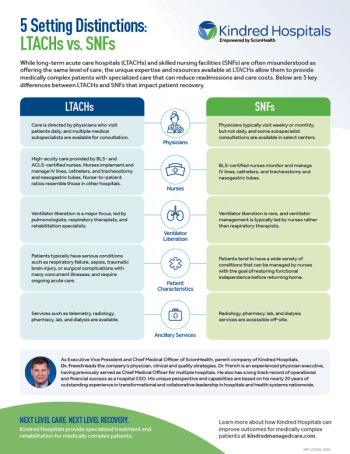
While long-term acute care hospitals (LTACHs) and skilled nursing facilities (SNFs) are often misunderstood as offering the same level of care, the unique expertise and resources available at LTACHs allow them to provide medically complex patients with specialized care that can reduce readmissions and care costs. Below are 5 key differences between LTACHs and SNFs that impact patient recovery.
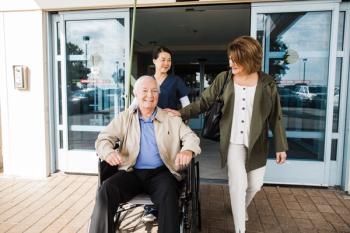
The unique expertise and resources available at long-term acute care hospitals (LTACHs) allows them to provide efficient care for medically complex patients. Discover 5 key differences between LTACHs and skilled nursing facilities (SNFs) that impact patient outcomes.


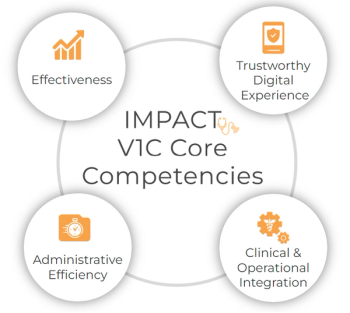
The potential benefits of a remodeled delivery system based on virtual first care (V1C) are tremendous. Without consistent evaluation criteria to guide builders and buyers towards high-quality V1C, the trust of this movement is at stake.
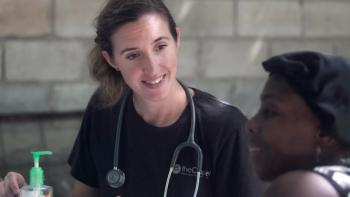
Virtual care presents a unique opportunity to achieve the kind of whole-person care that has been discussed in healthcare for decades, if not longer.
Advertisement
Advertisement