Consumer resilience: Grace-Marie Turner advocates the free-market approach
Many organizations believe a free-market system is the best approach to healthcare, but the free market struggles against lagging public policy. Especially as consumers are demanding greater control, advocates point to other industries in which competition has driven down prices and inspired higher quality.
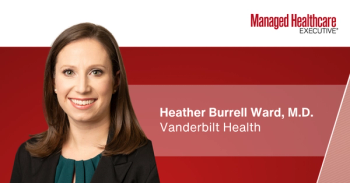
In this discussion, Heather Burrell-Ward, M.D., provides an overview of her recent study that found TMS aimed at the default mode network improved processing speed in schizophrenia.
Rand researchers identify standardizing supplemental benefits, limiting the number of plans an insurer can market and reforming broker commissions as policy proposals that would benefit beneficiaries while not harming the government or the plans.
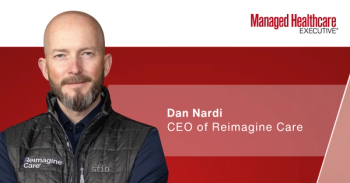
Reimagine Care and Dan Nardi scale CAR-T programs with remote cancer care, AI triage and nurses, as the Cureety partnership tackles staffing and access.
Biosimilars can cost $600 a month versus $6,000 for branded rivals, but PBM rebate incentives push formularies toward pricier drugs, says Christine Johnston.
Dan Nardi shares how Reimagine Care uses AI triage and connected devices to scale outpatient cancer support, enabling faster, personalized symptom monitoring.
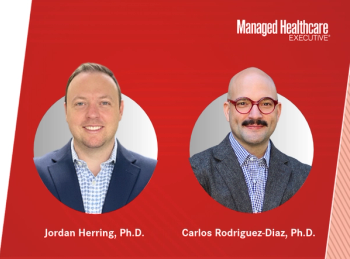
In this interview, Jordan Herring, Ph.D., and Carlos E. Rodriguez-Diaz, Ph.D., MPHE, MCHES, discuss their study, which found a 16.8% increase in HIV incidence rates among Hispanic populations in antisanctuary counties after 2018 immigration policy shifts.
Metabolic dysfunction-associated steatotic liver disease (MASLD) may differ biologically from obesity-linked MASH, a mouse study suggests, with salt driving liver inflammation without obesity.
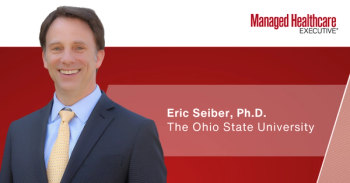
In this discussion, Ohio State economist Eric Seiber, Ph.D., explains how inconsistent claims-data definitions can skew estimates of first-episode psychosis and why standardization matters for early treatment and sustainable payment models.