
























About 2% to 3% of patients with nonsmall cell lung cancer have EGFR exon 20 insertion mutations targeted by newly approved Rybrevant.
About 2% to 3% of patients with nonsmall cell lung cancer have EGFR exon 20 insertion mutations targeted by newly approved Rybrevant.


A small fraction of those who were eligible under previous U.S. Preventive Services Task Force recommendations were screened with low-dose CT scans. New recommendations will make an additional 6.4 million Americans eligible, but a number of barriers to screening remain.
Opdivo is the first FDA-approved immunotherapy for the first-line treatment of gastric cancer.

The FDA approved proton beam radiation in 1988. But whether it is an improvement over conventional photon radiation as a treatment for many cancers remains an open question.

Automated texts may also lessen the workload on nurses.

Brooks, senior medical director of Independence Blue Cross in Philadelphia, was a key member of the team that created a health awareness campaign launched earlier this month in cooperation with local radio station WURD and other partners including the Colorectal Cancer Alliance, the Independence Blue Cross Foundation, Penn Medicine, Labcorp, and the Health Care Improvement Foundation. The campaign, called “Go To Know,” sets out to increase colon cancer screenings among African Americans by providing free Fecal immunochemical, or FIT, tests.
COTA’s real-world data and Kite's drug development pipeline will complement single-arm clinical trials to accelerate cancer research benefiting patients.

Screening and some care have been canceled or deferred. Will more illness and deaths result?
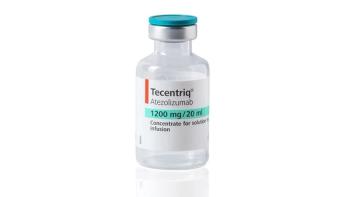
The decision by Roche comes shortly after AstraZeneca withdrew the bladder cancer indication for durvalumab (Imfinzi).
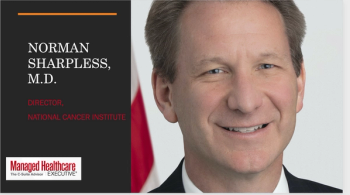
NCI Director Norman Sharpless discussed deferred care, missed screening and his future at the institute in an interview with Managed Healthcare Executive.

Adjustments to payment models are beginning to take social determinants into account.


One of the new treatments available is a CAR-T cell therapy to treat relapsed or refractory large B-cell lymphoma.

Payer strains now top the list of stressors facing oncologists, with prior authorization as the most-cited source of that payer stress.

The pandemic has led to the adoption of telehealth and greater access to care through apps.

The organizations give recommendations on how to get patients to receive the care they need.
FDA cleared cabozantinib (Cabometyx) for patients with advanced renal cell carcinoma as a first-line treatment in combination with nivolumab (Opdivo).

Deposing the ‘Emperor of All Maladies’ will take a diverse toolkit, not a single moonshot.

New treatment for metastatic HER2-positive breast cancer is called Margenza.

More oncologists are experiencing burnout due to the loss of face-to-face interactions with patients, according to a report from Cardinal Health Specialty Solutions.
Drug and diagnostic approvals and biosimilars news were popular with readers.

How the pandemic has accelerated innovation, and how CVS Health is preparing to delivery vaccines for COVID-19.

The biosimilar to Rituxan is expected to erode market share of the mainstay cancer drug for Roche.
The second mRNA vaccine, which does not need the extreme refrigeration of the Pfizer product, began rolling out of a warehouse in Mississippi early Sunday. Friday brought other late-year approvals in cancer treatment.