





Lung Cancer
Latest News
Advertisement
Latest Videos

CME Content



















Advertisement
More News

In a cohort study of 496 lung cancer survivors, 11.5% had a recurrence during a five-year follow-up period, and 5.6% had cancer outside the lungs.

Researchers found that less than half (43.8%) of the patients underwent surveillance imaging consistent with recommended guidelines.

A national survey of 157 patients with non-small cell lung cancer found that all groups prioritized extending life, but treatment preferences, including concerns about side effects and quality-of-life tradeoffs, differed across racial and ethnic groups.

Tumor infiltrating lymphocyte (TIL) therapy uses immune cells harvested directly from a patient’s tumor.


A study of more than 4,600 Medicare patients links treatment with Keytruda (pembrolizumab) to improved survival outcomes in adults 66 and older treated for metastatic non-small cell lung cancer.

The national five-year survival rate for lung cancer has climbed to nearly 30%, up from 18% from eight years ago, according to the American Lung Association.

Study participants who used the mPATH-Lung program were 60% more likely to undergo lung cancer screening, than particpants who did not use the program.


Although neuroendocrine tumors of the digestive system have been studied, far less is known about those that develop in the lungs, even as their incidence appears to be on the rise.

Most of the exposure to misinformation about cancer treatment occurs in conversations with family and friends and on social media.
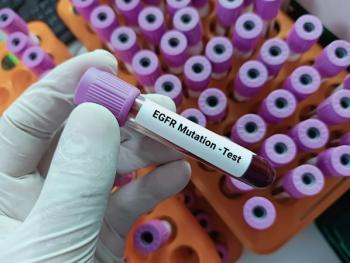
The FDA approved sunvozertinib, sold as Zegfrovy, in July 2025.

Patients with advanced non-small cell lung cancer were negatively affected by exposure to antibiotics, PPIs, and high-dose steroids at the start of treatment with Keytruda (pembrolizumab), French researchers found.

Disparities emerged in receipt of systemic therapy, particularly in lung cancer.

The study finds less than 1 in 4 go on to second-line treatment.

National registry study finds overall survival improved across the board after the introduction of immune checkpoint inhibitor (ICI) drugs, but gaps remained. Uninsured patients realized smaller gains compared with those with private insurance.



Patients using steroids, especially at high-doses, before taking immune checkpoint inhibitors for non–small cell lung cancer were more likely to have brain metastases.

The investigational agent, zipalertinib, received the breakthrough designation from the FDA in January 2022

Datroway (datopotamab deruxtecan) is the first TROP2-directed therapy approved for advanced lung cancer in the U.S.

When small-cell lung cancer (SCLC) has spread to distant parts of the body, it’s classified as extensive-stage, which applies to nearly two-thirds of SCLC cases at the time of diagnosis.

The study is the first, to the researchers’ knowledge, to evaluate both survival and cost metrics across non-small cell lung cancer biomarker subtypes.
Ibtrozi had a 90% response rate in treatment naïve adults with locally advanced or metastatic ROS1-positive non-small cell lung cancer, according to the results of a news release.

Findings mark the first time a neoadjuvant immunotherapy regimen has demonstrated a significant survival benefit in a randomized phase 3 trial of a solid tumor.
Advertisement
Advertisement
Trending on Managed Healthcare Executive
1
7 things you need to know about the PBM reforms signed into law this week
2
TrumpRx launches; some experts question its long-term value
3
PBM reform. It has finally happened
4
What exactly is managed care today?
5