

Tranexamic acid given during noncardiac surgery reduced blood transfusions by 2.4% without increasing blood clots, potentially saving millions of transfusion units annually nationwide.
Tranexamic acid given during noncardiac surgery reduced blood transfusions by 2.4% without increasing blood clots, potentially saving millions of transfusion units annually nationwide.

A phase 3 trial showed that Jaypirca improved progression-free survival in newly diagnosed patients with chronic lymphocytic leukemia and small lymphocytic lymphoma compared with standard chemotherapy/rituximab regimen.

Early results from the LINKER-MM4 trial show high response rates for linvoseltamab, offering new hope for newly diagnosed patients.
Early results from the LINKER-MM4 trial reveal promising response rates for linvoseltamab in newly diagnosed multiple myeloma patients, with manageable side effects.
Jaypirca demonstrated non-inferior response rates compared with Imbruvica in patients with chronic lymphocytic leukemia and small lymphocytic lymphoma, with fewer cardiovascular events and dose reductions.
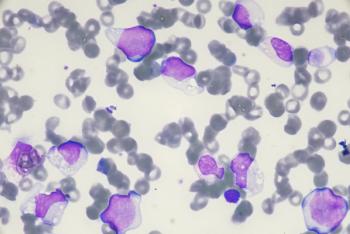
Venclexta-azacitidine combination offered better responses with less hospitalization and lower symptom burden compared with standard chemotherapy in patients with acute myeloid leukemia who are fit for transplant.

Adults with sickle cell disease face longer emergency department wait times for pain treatment than children, with women experiencing more delays than men.

A budget model analysis finds that biosimilars for Prolia and Xgeva could provide cost savings for health plans.


Drug approvals this year have reflected the trend in clinical development of biologics shifting from intravenous to subcutaneous administration, offering shorter injection times, home use, and cost savings for cancer, Alzheimer’s, and inflammatory diseases.

Kamuvudines are a new class of drugs that are derived from the anti-HIV nucleoside reverse transcriptase inhibitors. They are designed to inhibit the inflammasome, part of the innate immune system that is triggered in geographic atrophy.

CMS has released the negotiated prices for the second set of drugs for Medicare Part D through the Inflation Reduction Act. Discounts range from 38% for Austedo and Austedo XR to 85% for Janumet and Janumet XR.

Itvisma is a one-time gene therapy approved for both children and adults with spinal muscular atrophy. It will be available in December.

A provision in the One Big Beautiful Bill delays or exempts high-spending medications with orphan indications from Medicare drug price negotiations.
Beginning in January 2026, Optum Rx is removing reauthorizations for two new drug classes: hormone therapies and knee osteoarthritis injectables.

A pilot program limiting the patient co-pay to $50 could burden Part D plans, depending on whether manufacturers discount their prices — and by how much.

Eylea HD offers two dosing options for patients with retinal vein occlusion: 8-week and 4-week dosing intervals.

Promising new medications for resistant gonorrhea, such as zoliflodacin and gepotidacin, are waiting for FDA approval, and they offer hope for effective treatment options.
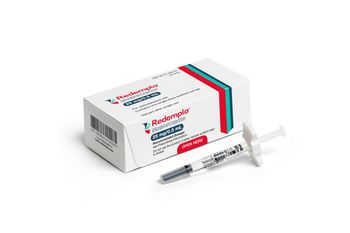
Redemplo has been approved to treat adults with familial chylomicronemia syndrome. The therapy will be available by the end of the year and will have an annual wholesale acquisition cost of $60,000.

The findings in a new study published in Health Affairs suggest that Semglee’s interchangeability status may have partially increased adoption by supporting improved formulary coverage.
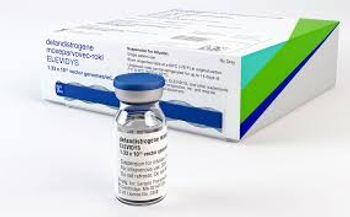
In addition, Elevidys’s indication for non-patients has been removed, and the gene is now indicated only to treat ambulatory patients four years of age and older with Duchenne muscular dystrophy.

Increased adoption of biosimilars requires regulatory changes, educational efforts, and PBM reimbursement policies that enable fair competition, argues Dr. Benjamin Rome in a new paper.

Lesion growth was reduced by 40.5% in patients receiving Izervay in an open-label study. A real-world study confirms safety in more than 10,000 patients.

The discounts will be for not-yet-approved formulations of Wegovy, Zepbound and Lilly’s oral GLP-1 orforglipron. Additionally, a pilot program starting in 2026 will provide for Medicare Part D coverage of these investigational anti-obesity medicines.

Researchers at the University of Michigan suggest the findings of their analysis could be used to guide the timing of dosing of drugs for patients with Parkinson’s disease, depression, and other neurological conditions.

Phase 3 trials showed oveporexton effectively treated narcolepsy type 1 by restoring orexin, a neurotransmitter that regulates sleep and wakefulness signaling.
Almost 3,000 managed care pharmacy leaders attended the Academy of Managed Care Pharmacy (AMCP) Nexus meeting, which was held last week at the Gaylord National Resort and Convention Center in National Harbor, Maryland.

Prior authorization using integrated medical claims data helps diabetes patients get medications faster, with two-thirds processed automatically by July 2025 in this Prime Therapeutics analysis.

Prime Therapeutics executives discuss specialty drug trends at AMCP Nexus. Key areas include autoimmune therapies, multiple sclerosis treatments, and emerging cell and gene therapy challenges for payers.

'It just knows black or white; it does not know the gray in between...humans have to fill that gray in between.'